Step 5
Quality Checking / Food Testing
Quality checking and food testing thinking help protect consumer trust, improve product readiness, and support B2B confidence.
Ecosystem role
How this step supports the Cokoon model.
Quality checking and food testing help protect consumers, farmers, business partners, and the Cokoon brand. Fresh mushrooms and value-added foods must be handled with attention to hygiene, raw material quality, processing conditions, packaging, storage, and product consistency before they reach the market.
At the farm and collection stages, quality checks may consider freshness, cleanliness, maturity, physical damage, contamination, odour, appearance, and handling condition. These observations help determine whether produce is suitable for fresh sale, processing, further assessment, or rejection. Clear standards encourage growers to improve cultivation and post-harvest practices.
For processed foods, testing requirements can vary according to the product, ingredients, manufacturing process, intended shelf life, packaging, and applicable regulations. Food, agricultural, and water samples may require laboratory analysis to support product development, quality control, institutional procurement, or regulatory documentation.
Cokoon’s food-testing support helps customers and producer groups describe their testing objective, sample type, quantity, and intended use before laboratory work begins. This creates a clearer inquiry and allows the laboratory team to advise on available tests, sample requirements, expected timelines, and applicable charges.
Testing results should be understood as part of a wider quality-management process. Good results begin with controlled sourcing, clean production, trained staff, appropriate packaging, correct storage, traceable records, and consistent operating practices. Testing helps verify selected quality parameters but does not replace responsible production.
Within the Cokoon ecosystem, quality checking links farm production with processing, product development, packaging, B2B supply, and consumer confidence. A strong quality culture reduces avoidable risks, improves consistency, supports informed decisions, and helps farmer-linked products become better prepared for demanding markets.
What it includes
Related media
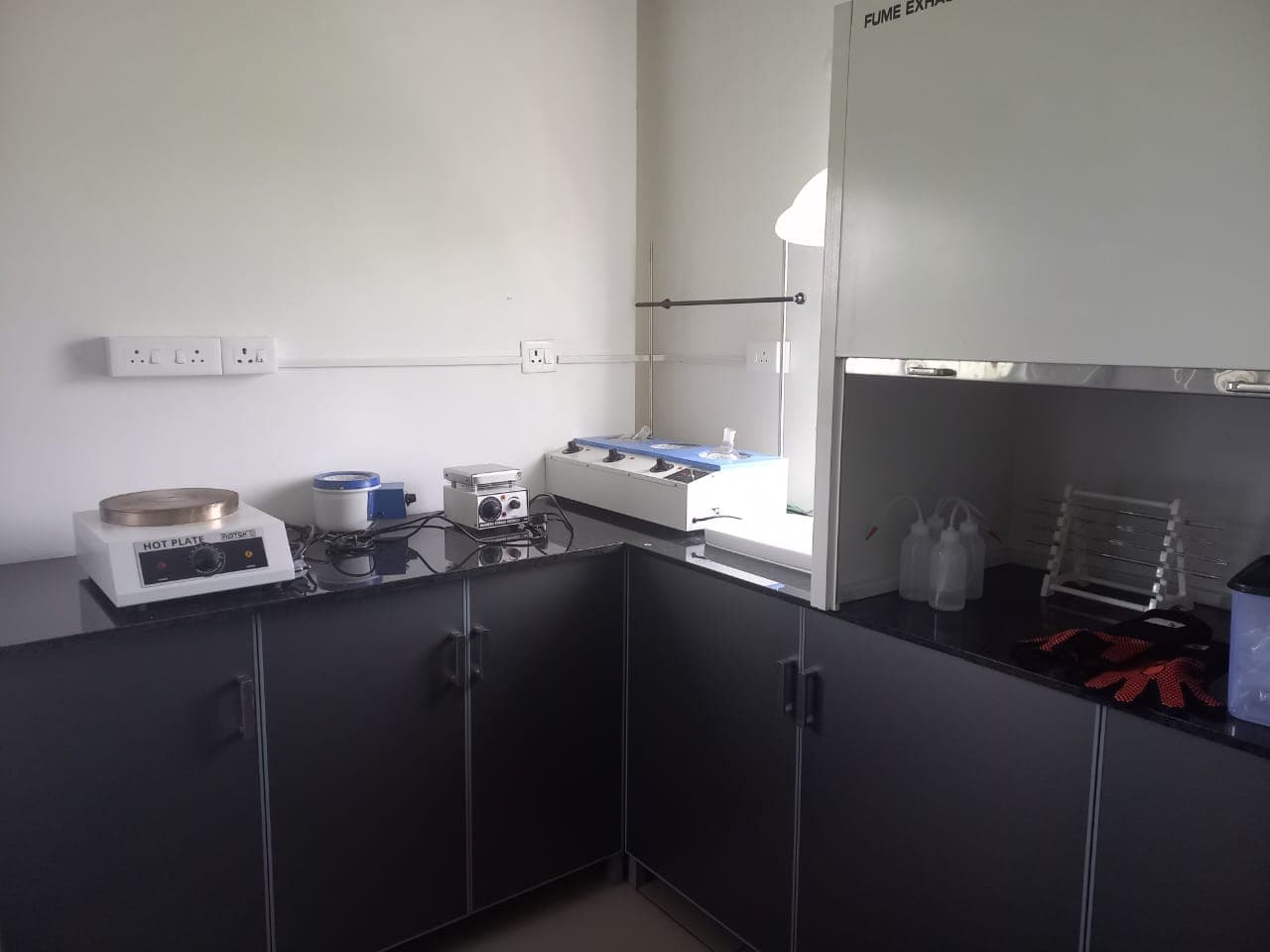
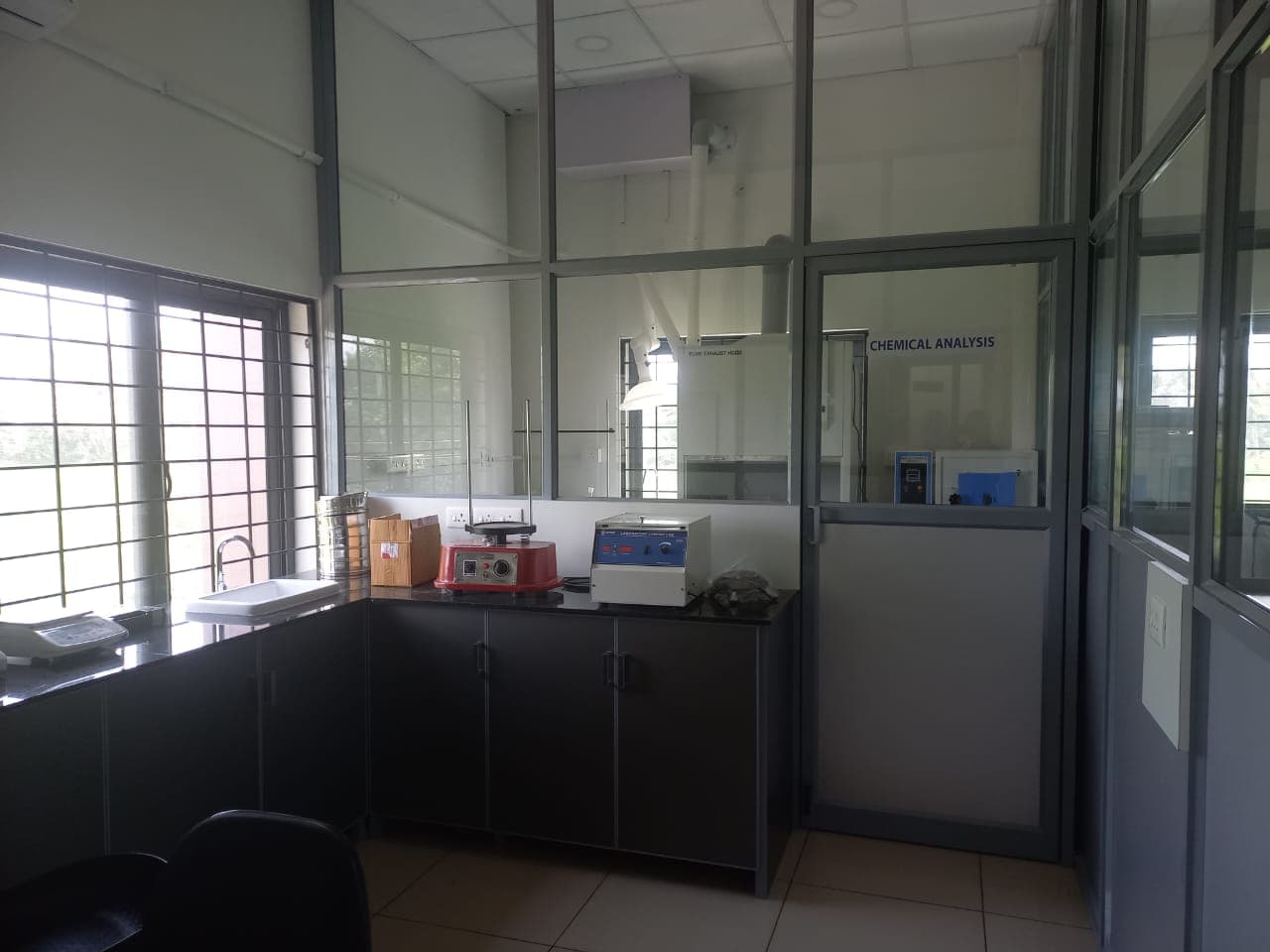
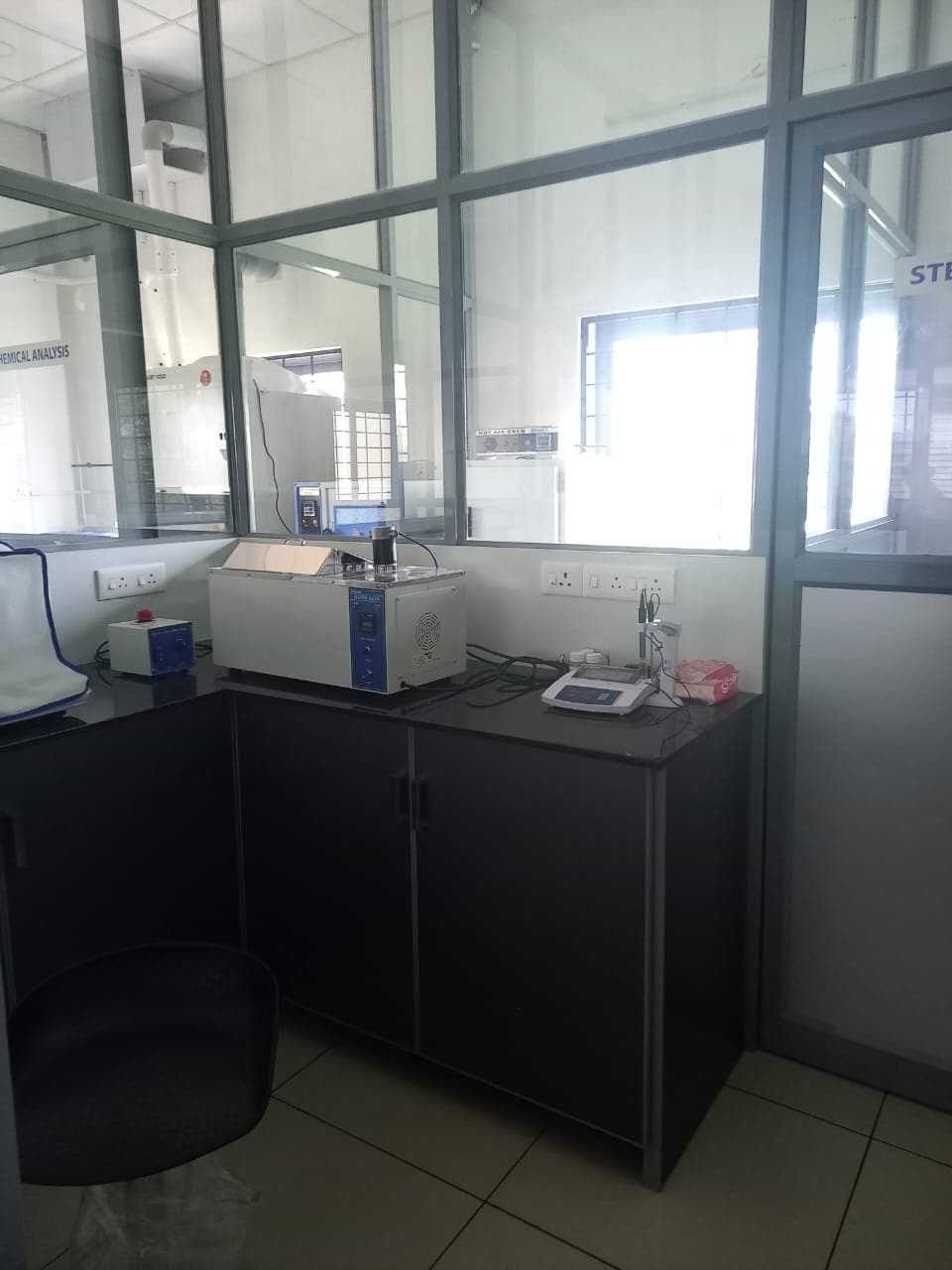
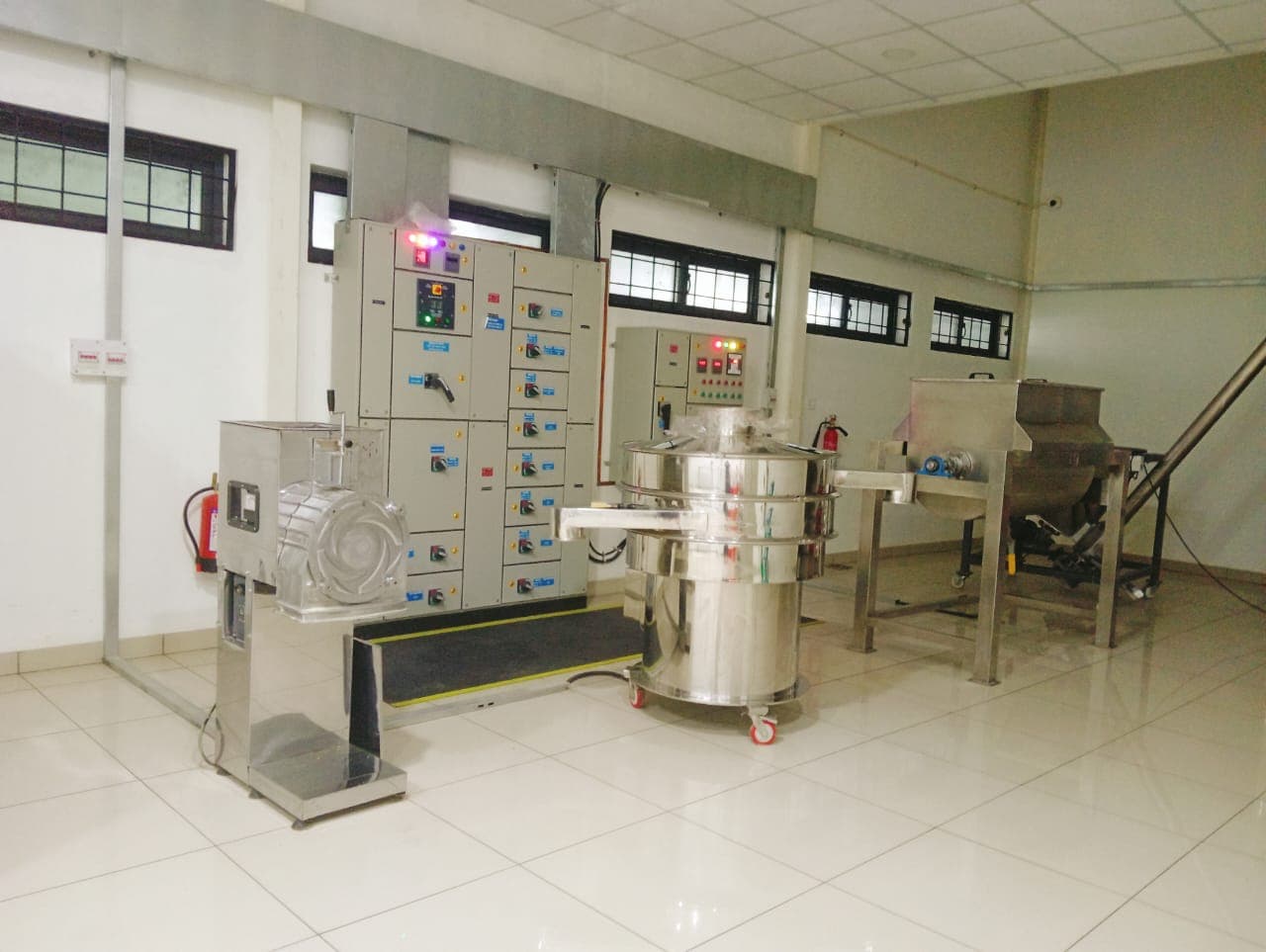
Food Testing And Mush Room Testing Lab
Cokoon’s Food and Mushroom Testing Lab ensures quality, safety, and consistency through careful testing and analysis.