
Step 3
Farmer Cultivation
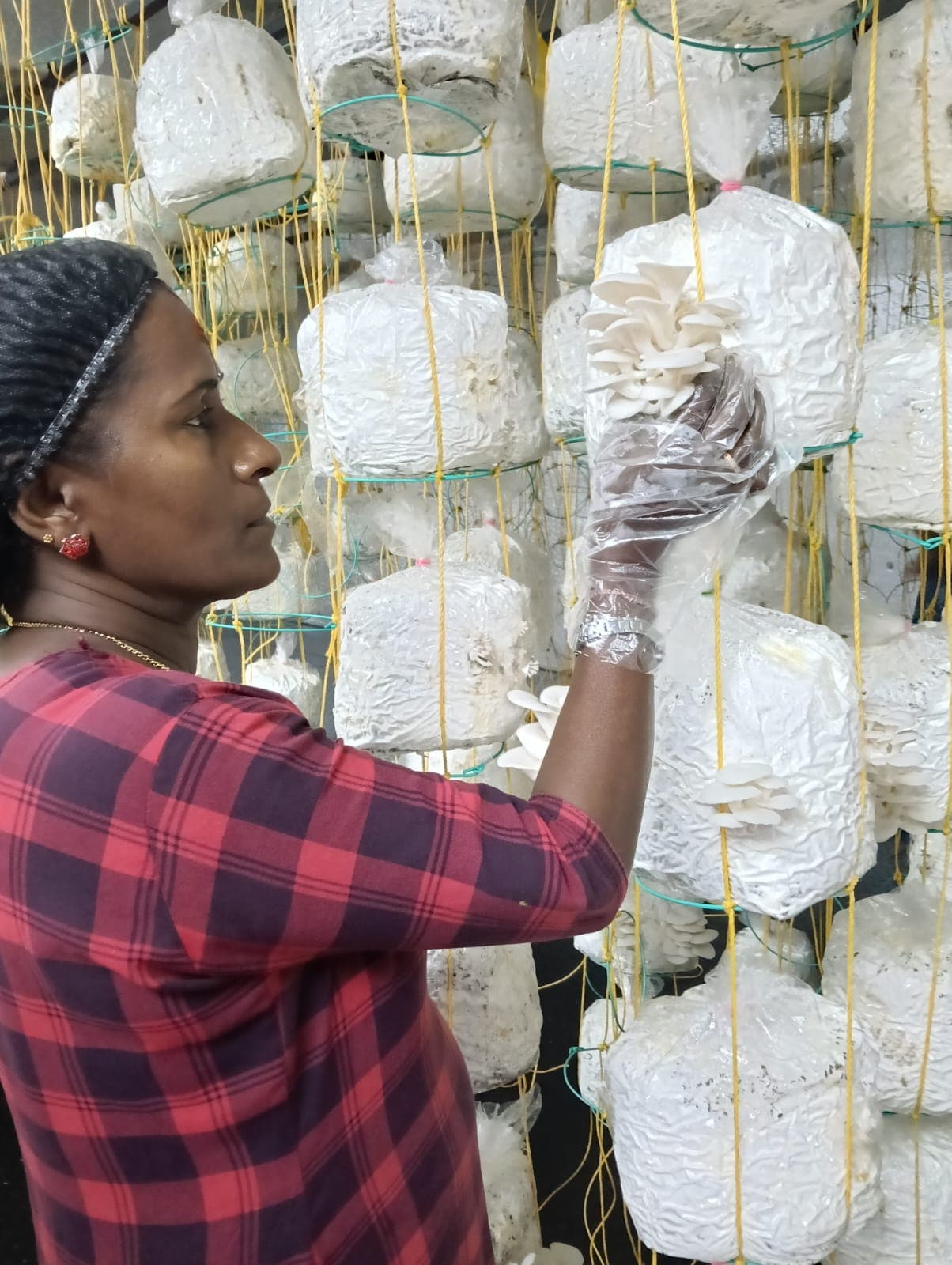
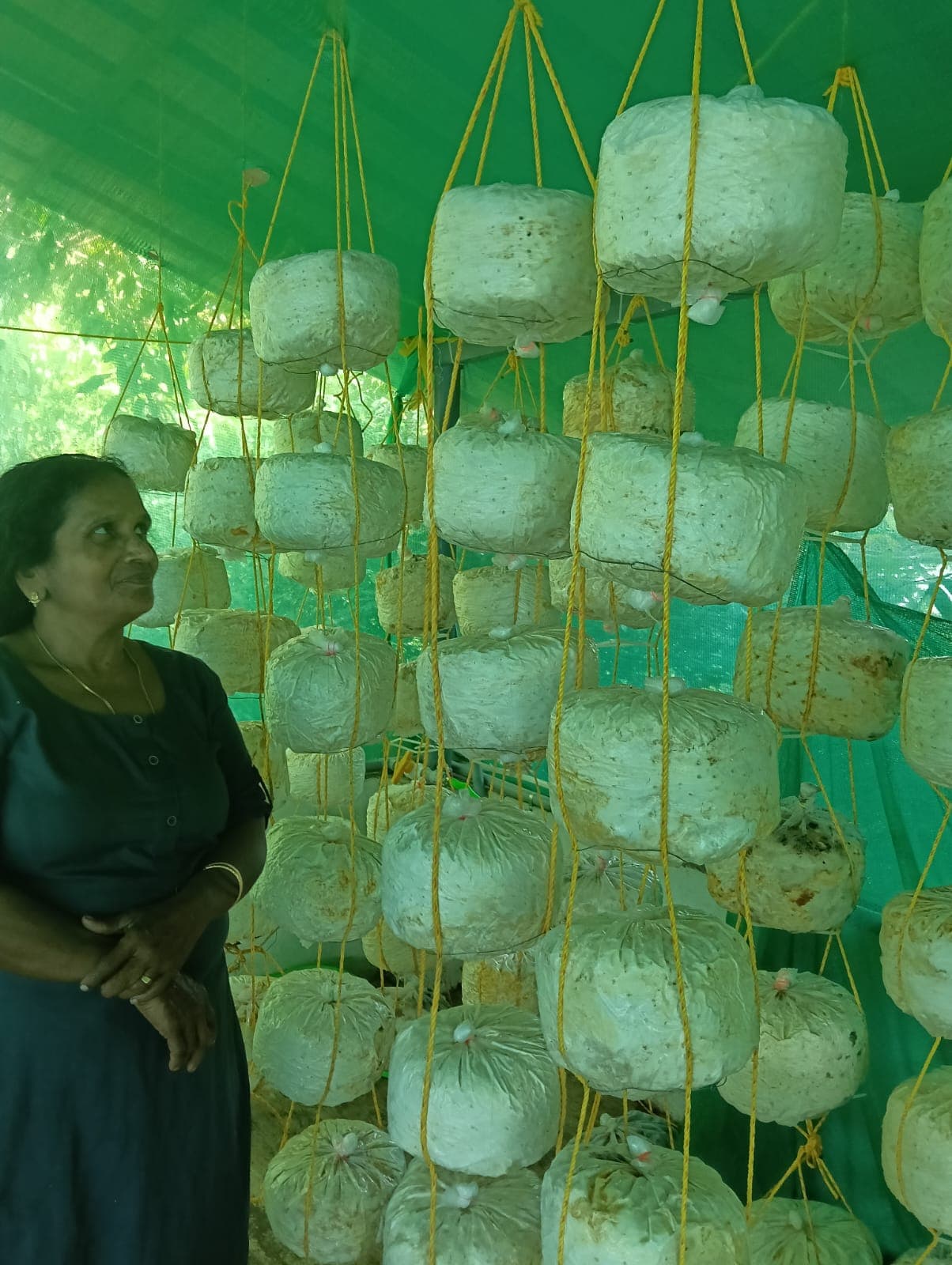
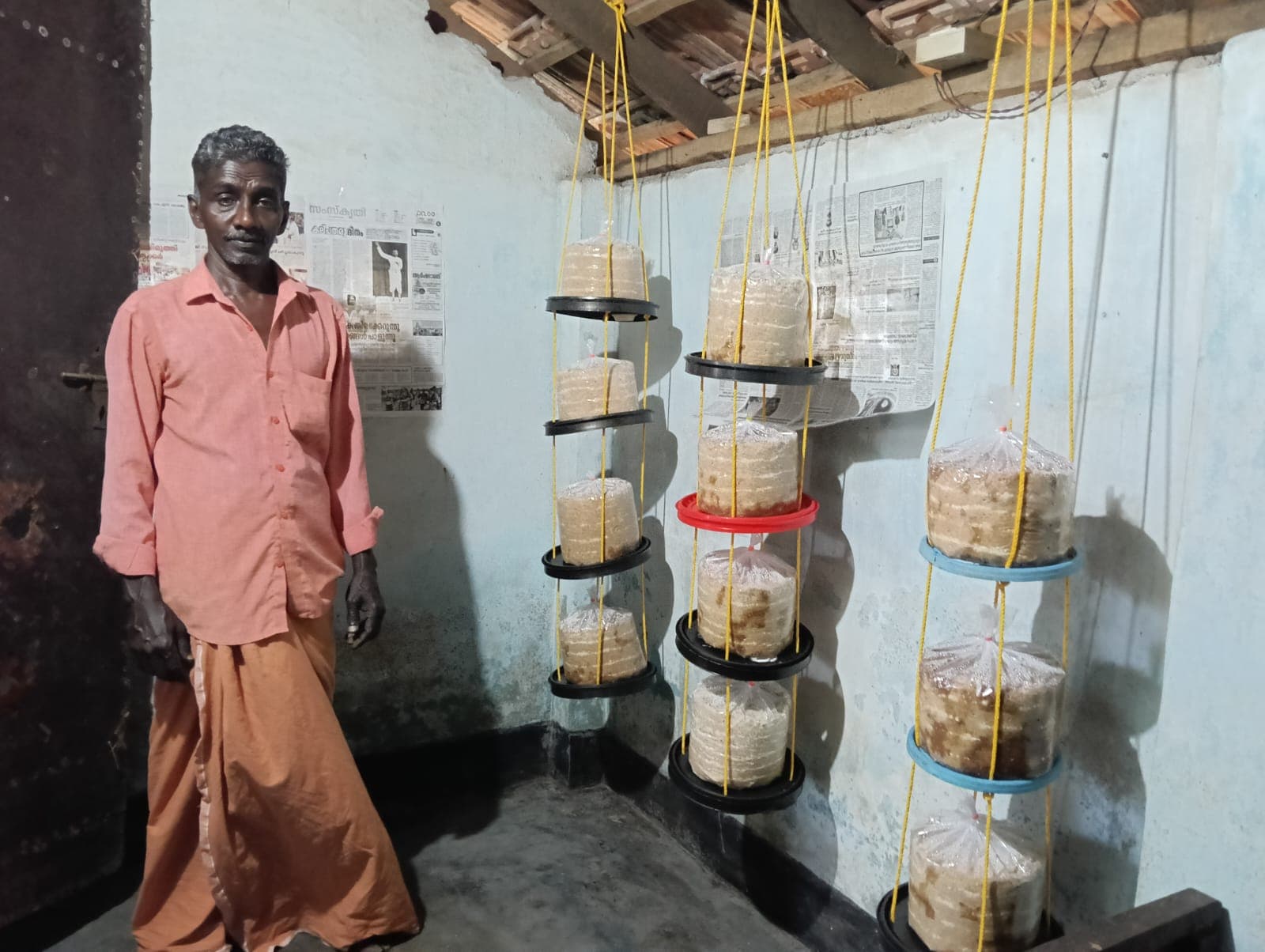
Farmers cultivate mushrooms with support around hygiene, space planning, climate control, watering, observation, and production discipline.
Ecosystem role
How this step supports the Cokoon model.
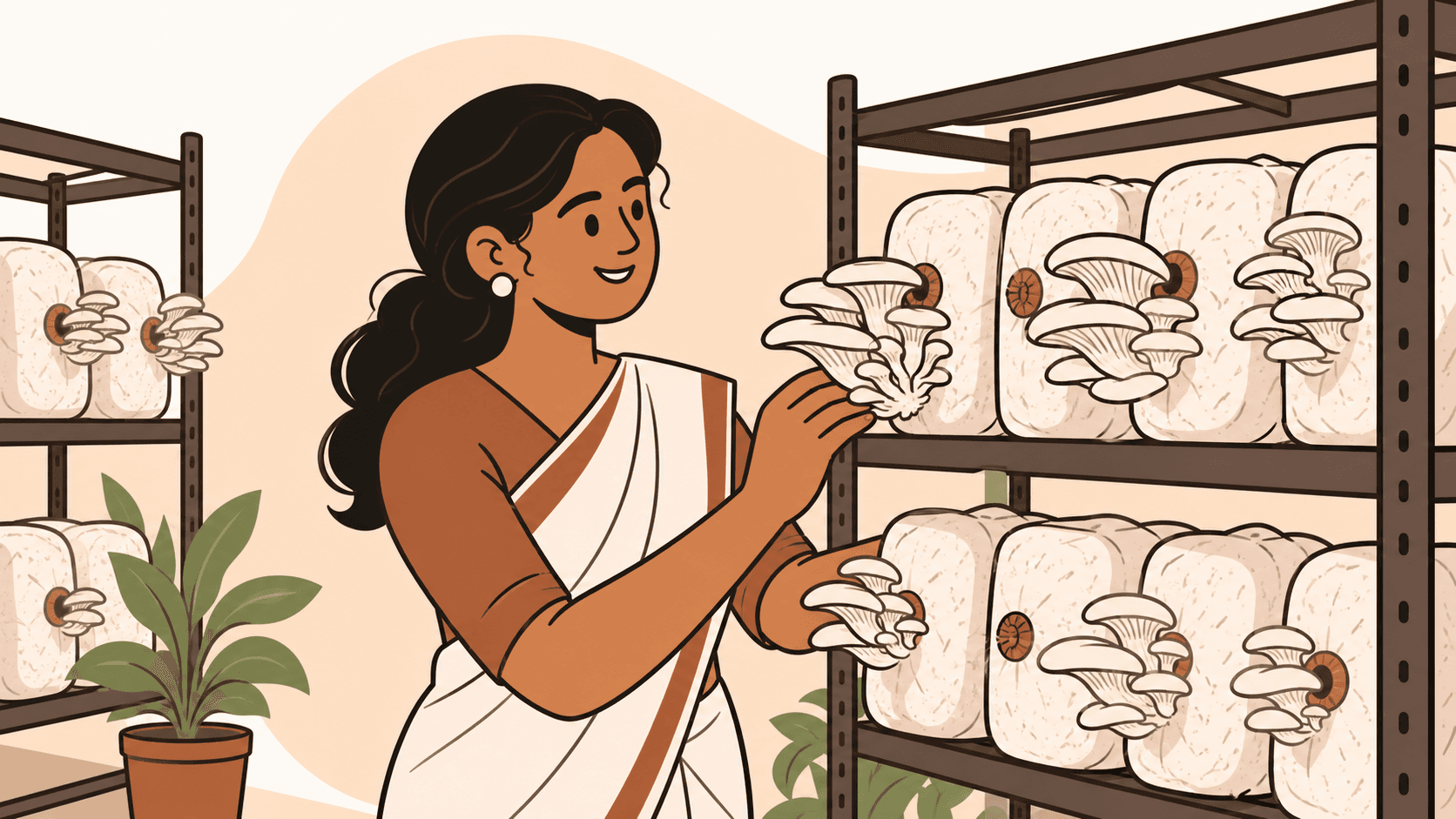
Farmer cultivation is the stage where training, planning, and raw materials are converted into fresh mushroom production. Growers prepare the cultivation space, organise production batches, manage hygiene, monitor environmental conditions, and care for the crop through each stage of development.
Successful cultivation depends on disciplined daily observation. Farmers learn to monitor temperature, humidity, ventilation, moisture, cleanliness, and crop development while identifying early signs of contamination or stress. Timely corrective action can protect a production batch, reduce losses, and improve the consistency of the harvest.
Cokoon’s cultivation approach supports different scales of participation, including household units, self-help groups, farmer collectives, community enterprises, and commercial growers. The production plan should reflect the farmer’s available space, labour, investment capacity, technical experience, and access to a dependable market.
Standardised practices help growers produce mushrooms with better freshness, appearance, texture, and shelf life. Careful harvesting, clean handling, grading, and temporary storage are treated as part of cultivation rather than separate activities. These practices prepare the crop for collection, direct sale, institutional supply, or further processing.
Farmers are encouraged to maintain simple production records covering batch dates, materials used, environmental conditions, harvest quantities, contamination, and sales. These records help identify patterns, compare results, plan future cycles, estimate costs, and make gradual improvements based on actual farm experience.
Within the Cokoon model, farmer cultivation creates the core supply that supports every later stage. Skilled and quality-conscious growers make it possible to organise collection, conduct quality checks, develop value-added products, serve customers, and build reliable market relationships. The aim is to help cultivation grow into a practical and sustainable income opportunity.
What it includes
Related media
Farmers in action
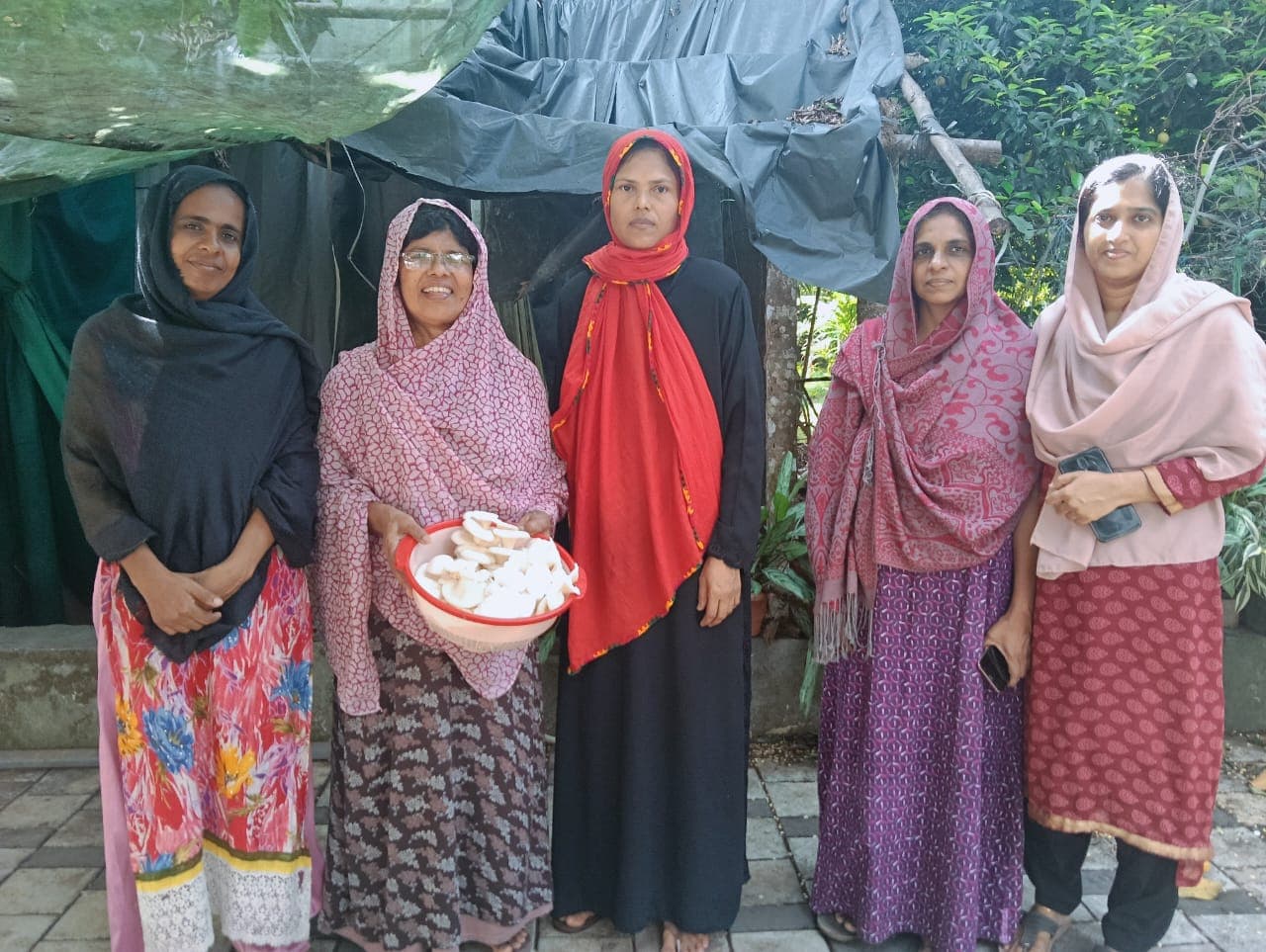
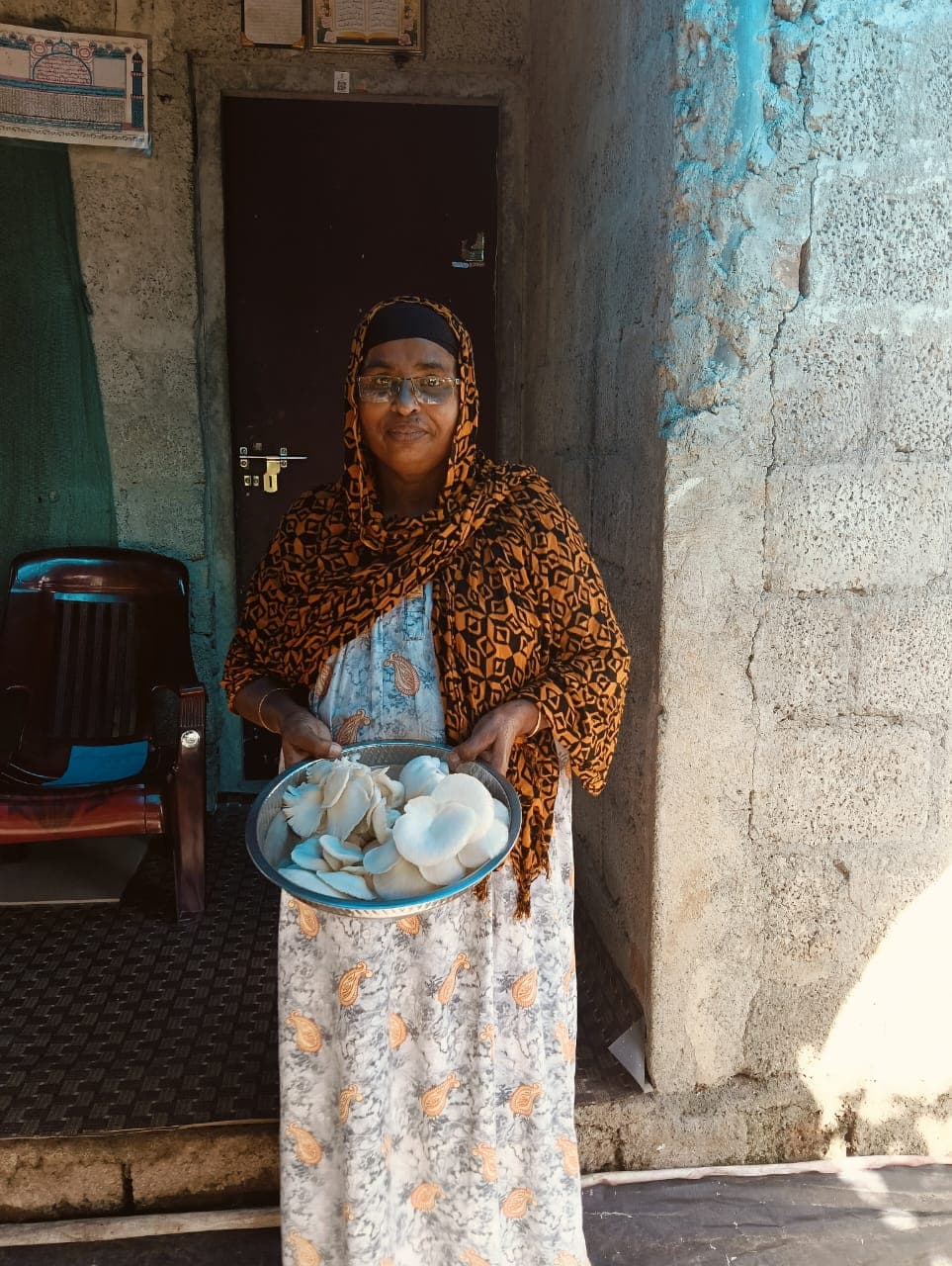
Proud farmers showcasing freshly harvested mushrooms, reflecting the care and dedication behind every crop.

Video 1