
Step 8
Branding, Marketing & Distribution
Cokoon connects products to markets through brand building, retail visibility, B2B relationships, distribution, and institutional opportunities.
Ecosystem role
How this step supports the Cokoon model.
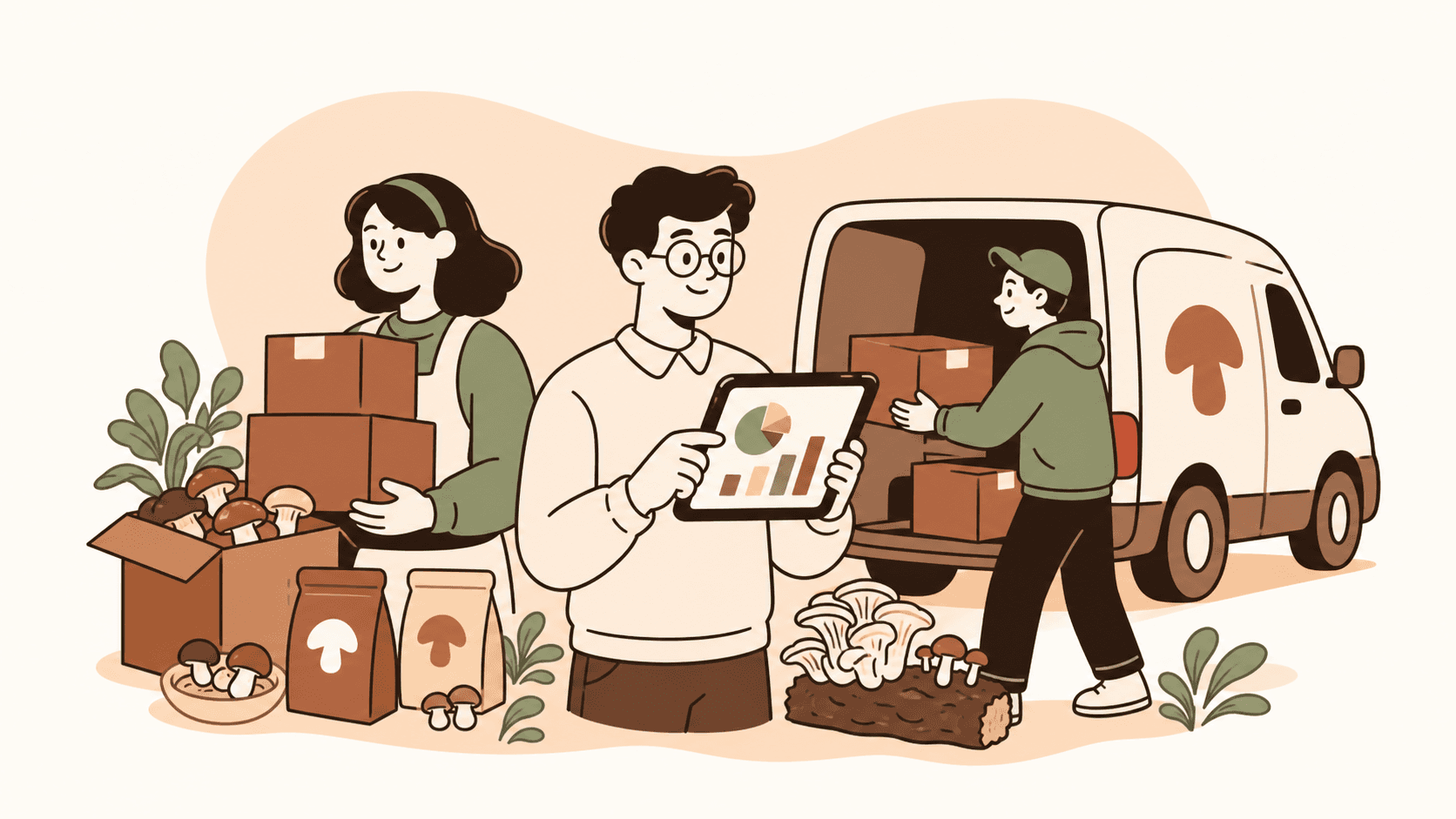
Branding, marketing, and distribution help connect Cokoon’s farmer-linked products with the people and organisations most likely to value them. A good product needs a clear identity, accurate communication, suitable sales channels, dependable supply, and a consistent customer experience to build lasting demand.
Cokoon’s brand communication explains the connection between training, farmer cultivation, quality checking, value addition, and the final product. This gives customers a clearer understanding of where products come from and how their purchases support a wider local food and enterprise ecosystem.
Marketing activity may include product information, retail displays, digital content, recipes, demonstrations, events, institutional presentations, partner communication, and educational material. Messages remain practical and food-focused, helping customers understand product use, preparation, storage, and value without exaggerated health claims.
Different markets require different approaches. Households may prefer convenient retail packs and recipe guidance, while retailers need reliable stock and clear margins. Restaurants, caterers, hotels, institutions, and food manufacturers may require bulk quantities, specifications, documentation, scheduled supply, and customised commercial discussions.
Distribution planning considers order volumes, stock availability, storage, handling, delivery areas, transport time, product shelf life, and partner responsibilities. Reliable communication across these areas helps reduce delays, shortages, damage, and mismatched expectations between production and sales.
Within the Cokoon ecosystem, branding, marketing, and distribution convert production capacity into sustained market demand. By building relevant channels and trustworthy relationships, this stage helps products reach more customers, creates stronger opportunities for farmer-linked supply, and supports the long-term growth of the entire value chain.
What it includes